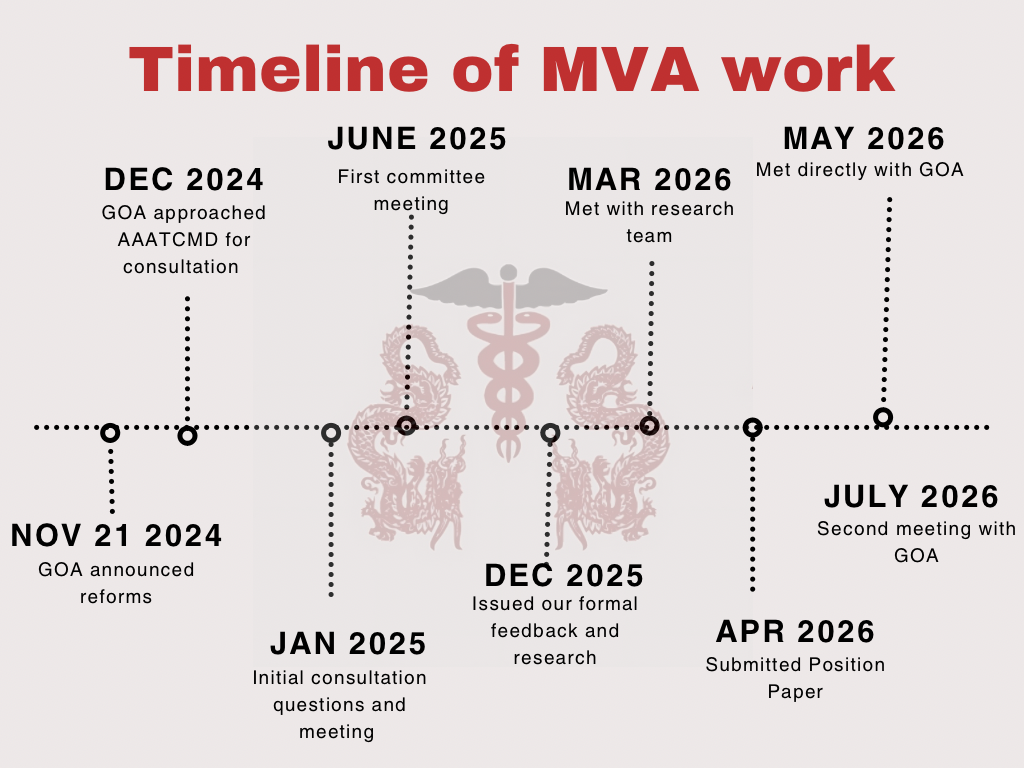
AAATCMD’s MVA Advocacy: A Timeline of Engagement, Evidence and Action In 2024, the AAATCMD was…
Patient Choice, Access, and the Value of Acupuncture in Modern Healthcare
Healthcare conversations often focus on reducing wait times, improving outcomes, and creating a more sustainable system. Yet one critical component of high-quality care is frequently overlooked: ensuring patients have timely access to a full range of qualified healthcare providers and evidence-informed treatment options.
Acupuncture has become an increasingly recognized component of modern integrative healthcare, supported by a growing body of research and utilized by millions of people worldwide. Despite this, barriers to access continue to limit many patients’ ability to pursue a treatment that may help manage pain, support rehabilitation, and improve overall quality of life.
As healthcare leaders and policymakers seek solutions to rising healthcare demands, workforce shortages, and increasing rates of chronic illness, we must ask whether our current system is providing patients with meaningful choice in their healthcare journey—or whether we are unintentionally restricting access to valuable forms of care that could contribute to better outcomes.
As conversations continue around improving healthcare access, reducing wait times, supporting recovery, and addressing chronic pain, it is time to ask an important question:
Are we doing enough to ensure patients have access to all effective treatment options available to them?
The Importance of Patient Choice
No two patients experience illness, injury, pain, or recovery in the same way. While some individuals respond well to medications, others may benefit from physical rehabilitation, counseling, lifestyle interventions, or complementary approaches such as acupuncture.
Patient-centered care is built on the principle that individuals should have the ability to make informed decisions about their health in collaboration with qualified healthcare professionals. Restricting access to evidence-informed treatment options limits that choice and may prevent patients from accessing care that could improve their recovery, quality of life, and overall well-being.
Healthcare should not be about choosing one profession over another. It should be about ensuring patients have access to the right care, at the right time, from the right provider.
Beyond Symptom Management
One of the most compelling aspects of acupuncture is its ability to address multiple dimensions of health simultaneously.
Patients often seek treatment for physical concerns such as:
- Musculoskeletal pain
- Neck and back injuries
- Headaches and migraines
- Sports injuries
- Post-surgical recovery
- Chronic pain conditions
However, many report improvements that extend beyond their primary complaint.
It is not uncommon for patients receiving acupuncture for physical pain to also experience improvements in:
- Stress levels
- Sleep quality
- Anxiety symptoms
- Emotional regulation
- Overall sense of well-being
This broader impact reflects something healthcare professionals increasingly recognize: physical and emotional health are deeply interconnected.
Pain affects mood. Stress affects healing. Sleep influences recovery. Emotional well-being influences physical function.
When care addresses both the physical and emotional aspects of health, patients often experience more meaningful and lasting improvements.
Supporting Better Healing Outcomes
Recovery is about more than reducing pain scores.
Patients want to return to work, participate in family activities, enjoy recreational pursuits, and regain independence. They want to feel like themselves again.
Acupuncture can play an important role in helping patients achieve these goals by supporting:
- Pain reduction
- Improved mobility and function
- Enhanced rehabilitation outcomes
- Reduced reliance on medication
- Improved quality of life
Research continues to demonstrate positive outcomes for a variety of conditions, particularly those involving pain management and rehabilitation. Studies have reported benefits for shoulder pain, post-stroke rehabilitation, neck pain, and other musculoskeletal conditions, supporting acupuncture as a valuable component of comprehensive care.
The question is no longer whether acupuncture has a place in healthcare. The question is whether patients are being given adequate access to a treatment option that may improve their outcomes.
Access Matters
When access is limited, patients face difficult choices.
Some delay treatment because of financial barriers. Others rely solely on medications while waiting for alternative options. Some simply go without care altogether.
This is particularly important for individuals living with chronic pain, those recovering from injury, and those navigating complex health challenges where multiple approaches may be beneficial.
Expanding access to acupuncture is not about replacing conventional medicine. It is about creating a healthcare system that recognizes the value of integrated care and provides patients with more tools to support recovery and wellness.
A More Inclusive Vision of Healthcare
Modern healthcare works best when different professions collaborate around a common goal: improving patient outcomes.
Physicians, nurses, physiotherapists, psychologists, occupational therapists, naturopathic doctors, chiropractors, acupuncturists, and many other healthcare professionals each bring unique skills and perspectives to patient care.
Patients deserve access to this full spectrum of expertise.
As healthcare systems continue to evolve, we must move beyond outdated debates about which profession is “best” and focus instead on what matters most:
- Better outcomes
- Better access
- Better patient experiences
- Better quality of life
Most importantly, we must respect the right of patients to choose the healthcare options that align with their needs, values, and goals.
When patients are empowered with choice and access, healthcare becomes more responsive, more compassionate, and more effective.
And ultimately, that benefits everyone.

Related Posts