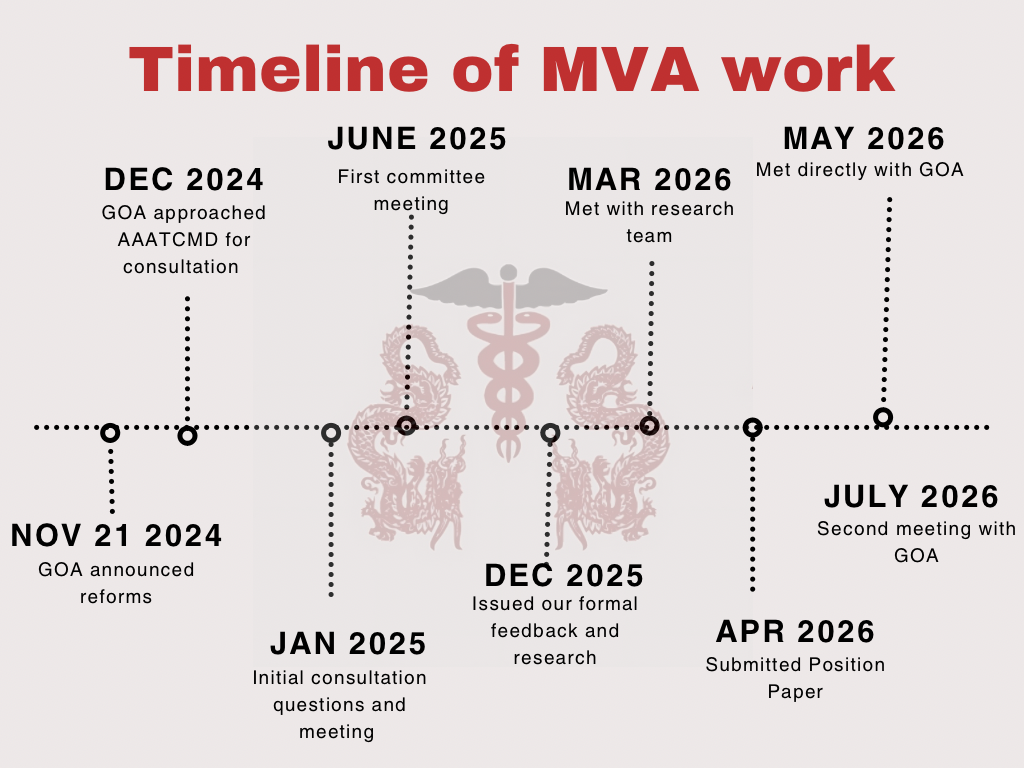
AAATCMD’s MVA Advocacy: A Timeline of Engagement, Evidence and Action In 2024, the AAATCMD was…

TCM & Acupuncture for Cancer Patients
Acupuncture does not cure cancer, but it is widely used as a complementary therapy to help manage symptoms and side effects associated with cancer and its treatment. Here’s how acupuncture can help cancer patients:
 1. Pain Management
- How it helps: Acupuncture stimulates nerves and releases endorphins (natural painkillers), which can help reduce cancer-related pain.
- Use cases: Bone pain, post-surgical pain, tumor-related pain, and neuropathy.
2. Nausea and Vomiting
- How it helps: Acupuncture, especially at the P6 (Neiguan) point on the wrist, has been shown to reduce chemotherapy-induced nausea and vomiting.
- Evidence: Multiple clinical trials and meta-analyses support this use.
3. Fatigue
- How it helps: Cancer-related fatigue is one of the most common and difficult symptoms to treat. Acupuncture may help regulate the body’s energy balance (Qi) and improve restfulness and vitality.
- Studies: Some research shows improvements in energy levels and quality of life.
4. Anxiety, Stress, and Depression
- How it helps: By regulating the nervous system and promoting relaxation, acupuncture can reduce emotional distress.
- Mechanism: Likely involves modulation of neurotransmitters like serotonin and dopamine.
5. Hot Flashes (especially in breast cancer patients)
- How it helps: Acupuncture can reduce vasomotor symptoms (like hot flashes) in patients who can’t or don’t want to take hormone therapy.
6. Neuropathy
- How it helps: Chemotherapy-induced peripheral neuropathy (CIPN) may be alleviated by acupuncture through improving nerve function and circulation.
- Evidence: Mixed, but promising in some patients.
7. Dry Mouth (Xerostomia)
- In head and neck cancer patients: Acupuncture has been used to stimulate saliva production.
 What Does the Research Say?
- Acupuncture is generally safe when performed by trained professionals.
- Evidence supports its use in nausea, pain, fatigue, and quality of life.
- More research is needed for consistent conclusions in some areas like immune modulation or tumor control.
 Important Notes
- Always consult with your oncologist before starting acupuncture.
- Acupuncture should only be performed by a licensed practitioner familiar with working with cancer patients.
- It should be used as a complementary (not alternative) treatment.

Related Posts